
Management of Acute Ischemic Stroke

A stroke can cause serious harm to the brain, but how much damage occurs can depend on how well blood can flow to surrounding areas of the brain. If there are backup routes for blood flow, the brain can sometimes hold on longer before the damage worsens.
Patients with acute stroke and TIA must be evaluated immediately and preferentially treated in dedicated stroke units. One out of 12 patients is saved from death or disability simply by being cared for in a stroke unit as compared to a general medical ward or mobile stroke teams. This effect is irrespective of age, gender, and stroke severity. (In comparison, the simple administration of aspirin within 48 h after stroke prevents death or disability in just 1 out of 100 patients.) Perhaps even more impressive is the fact that emergent diagnostic evaluation and initiation
of secondary prevention in TIA patients at specialist stroke centers is associated with an 80% risk reduction for a new cerebral ischemic event. Also, dedicated stroke centers allow for early initiation of multidisciplinary rehabilitation. The chief priority of emergency management of acute ischemic stroke is to ensure that the patient is screened for eligibility of thrombolytic treatment and/or mechanical thrombectomy as soon as possible.
Intravenous Thrombolysis
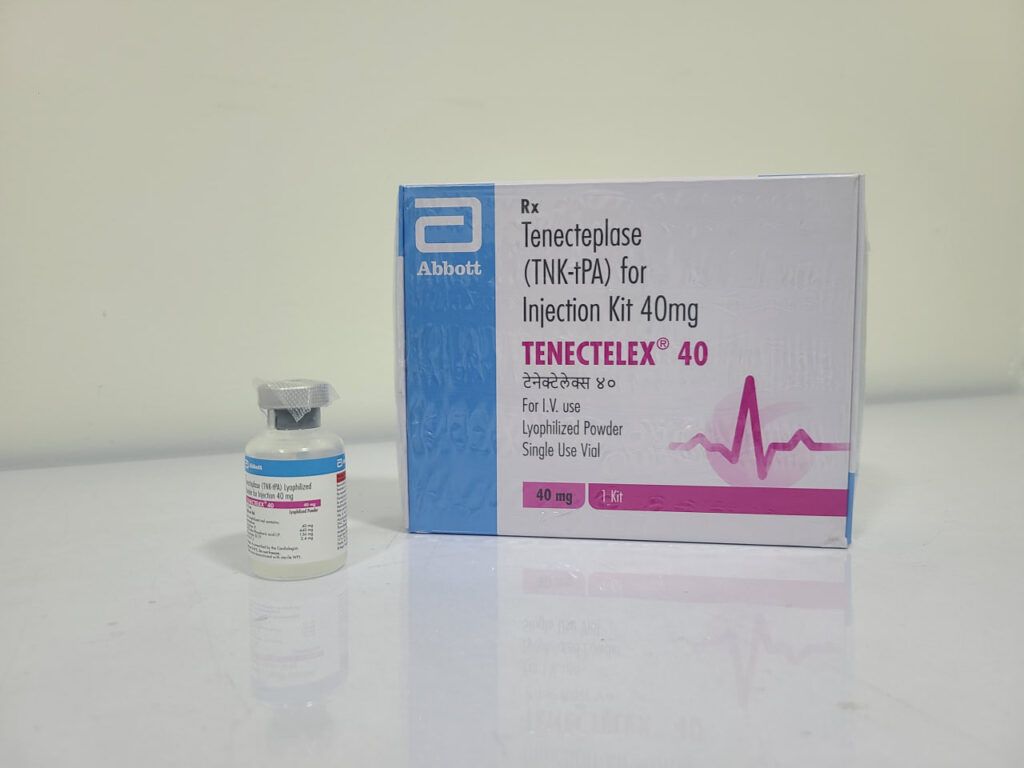
Thrombolytic treatment is a medical intervention used to dissolve blood clots and restore blood flow to areas deprived of oxygen and nutrients due to blockages. This helps minimize tissue damage and improves patient recovery outcomes.
A commonly used thrombolytic drug for stroke is tPA (tissue plasminogen activator), which works to break up the clot in the brain causing the stroke. For best results, tPA should be administered as soon as possible after the onset of symptoms.
When tPA is given within 3 hours of symptom onset, about 30 out of 100 patients experience a better long-term outcome compared to those who do not receive it. Administering tPA within the 3-4.5 hour window can also lead to modest improvements in patient outcomes, though earlier treatment remains more effective.
Mechanical Thrombectomy
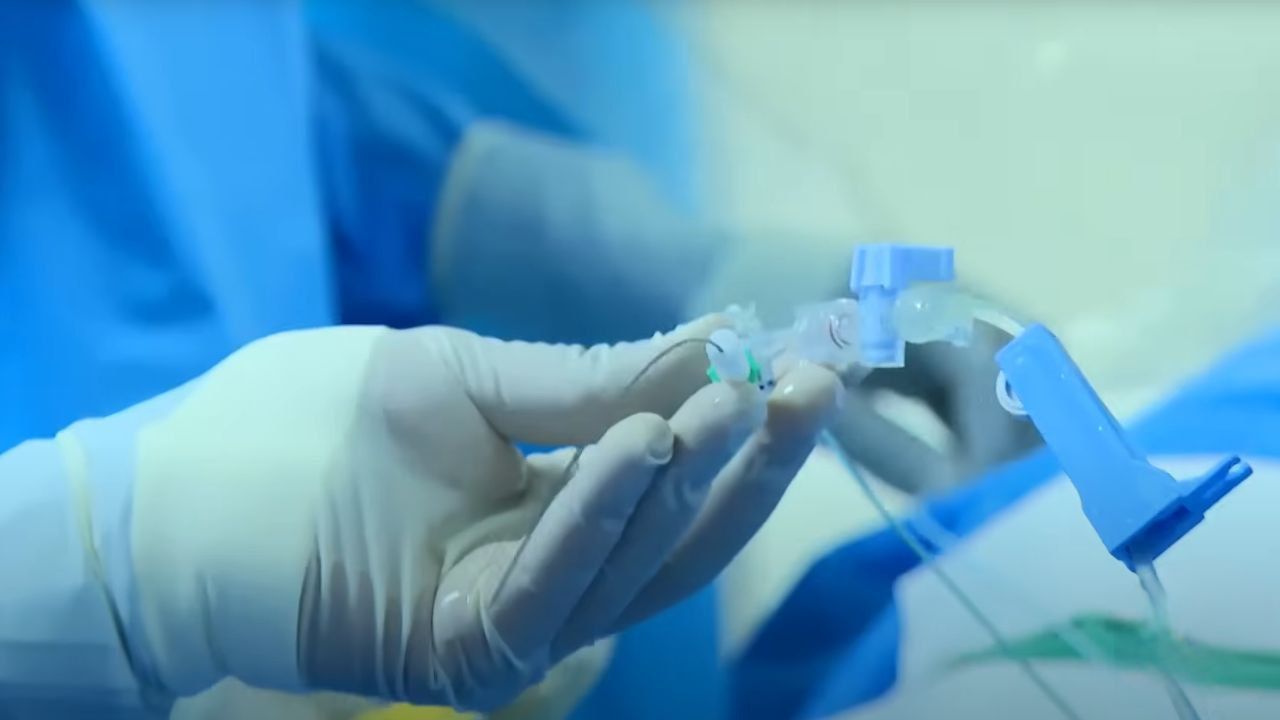
Mechanical thrombectomy is a key treatment for acute ischemic stroke caused by large intracranial vessel occlusion. The procedure involves removing the clot and restoring blood flow to the affected brain tissue.
Timing is crucial.
The procedure is performed on patients who arrive at our stroke center within 24 hours of symptom onset. Using a catheter inserted through the femoral artery, guided by X-ray and contrast dye, we navigate to the blood vessels in the neck. Imaging helps locate the clot, and a stent retriever, a mesh-like device, is used to remove it. The procedure can take as little as 10–20 minutes.
Better outcomes are seen with early intervention.