
Endovascular Neurointervention
We provide minimally invasive neurointerventional surgeries, offering comprehensive image-guided treatment for stroke, aneurysms, and vascular disorders of the brain, neck, and spine — with complete care from intervention to neurocritical management and rehabilitation.
Endovascular Services
Our endovascular team delivers advanced, minimally invasive treatments for complex neurovascular conditions such as stroke, aneurysm, and AVM. Powered by our state-of-the-art, AI-enabled Autoright IGS 630 Biplane Cath Lab Suite, we perform precise, image-guided procedures that restore blood flow, prevent complications, and enhance patient outcomes.
600 +
per year
110+
performed
100 +
per year
Endovascular Services
We provide minimally invasive neurointerventional surgeries, offering comprehensive image-guided treatment for stroke, aneurysms, and vascular disorders of the brain, neck, and spine — with complete care from intervention to neurocritical management and rehabilitation.
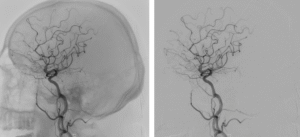
Digital Subtraction Angiography (DSA)
Digital Subtraction Angiography (DSA)
Carotid Artery Angioplasty & Stenting
Revascularization for ischemic symptoms.
Endovascular Embolization
Coil or flow-diverter treatment for aneurysms and malformations.
Mechanical Thrombectomy
Minimally invasive removal of intracranial clots.
Comprehensive Care for Neurovascular Conditions
Cerebral Aneurysm
A weak spot in a brain artery that balloons and may rupture, treated through coiling or stenting.
Arteriovenous Malformation (AVM)
Abnormal tangles of blood vessels that disrupt normal blood flow in the brain or spine.
Carotid Artery Stenosis
Narrowing of neck arteries that supply blood to the brain, increasing stroke risk.
Venous Sinus Thrombosis
A blood clot forms in brain veins, blocking drainage and causing pressure or headache.
Spinal AVM
A rare vascular malformation in the spinal cord that can cause weakness or paralysis.
Subarachnoid Hemorrhage
Bleeding into the space around the brain, usually due to a ruptured aneurysm.
Endovascular Procedures
We provide minimally invasive neurointerventional surgeries, offering comprehensive image-guided treatment for stroke, aneurysms, and vascular disorders of the brain, neck, and spine — with complete care from intervention to neurocritical management and rehabilitation.
Cerebral digital subtraction angiography, venography
Diagnostic cerebral angiography to evaluate for conditions such as: Stenosis, in-stent restenosis, occlusion Reversible vasoconstriction syndrome Cerebral vasculitis Cerebral vasospasm Cerebral aneurysm Cerebral arteriovenous malformations/fistula Cerebral venous sinus thrombosis, stenosis, diverticulum, Intracranial tumor Epistaxis, oro-pharyngeal bleeding. Facial/head and neck AVM
Selective 2-dimensional and 3-dimensional (3D) angiography of all eligible cervical and cranial arteries and veins.
Spinal Angiography
Diagnostic spinal angiogram for evaluation of vascular diseases such as spinal AVM, spinal tumors, and intercoastal aneurysms.
Selective angiography of all eligible spinal segmental arteries.
Carotid Artery Angioplasty and Stenting
Ischemic symptoms (stroke or transient ischemic attack -TIA) related to carotid artery stenosis, occlusion.
Revascularization of the carotid artery with angioplasty and/or stenting using distal and/or proximal embolic protection devices.
Mechanical Thrombectomy, Embolectomy
Acute ischemic stroke with large artery occlusions including the intracranial ICA, MCA (M1, M2), ACA, PCA, Basilar artery, vertebral artery.
Mechanical thrombectomy (embolectomy) of occlusive/partially occlusive mural thrombus using devices such as stent-retrievers, thrombo-aspiration catheters, balloon angioplasty, stenting and other approved devices and techniques including balloon guide catheters.
Catheter-directed intra-arterial thrombolysis
Acute ischemic stroke Acute retinal strokes – central retinal artery occlusion.
Delivering thrombolytic agents such as alteplase, and tenectaplase directly to the location of intracranial mural thrombus/clot to achieve thrombolysis.
Endovascular treatment of intracranial aneurysms
Subarachnoid hemorrhage from ruptured aneurysm. Symptomatic unruptured aneurysm. Asymptomatic unruptured large aneurysms.
Embolization/occlusion of cerebral aneurysms using aneurysm coils, balloons, stents, flow diverters, intra-saccular devices, and other approved agents and techniques.
Embolization of brain arteriovenous malformations or fistula
Intracerebral hemorrhage due to ruptured AVM or dural arteriovenous fistula (dAVF). Pulsatile tinnitus Uncontrolled seizures Headache
Embolization/occlusion of brain arteriovenous malformations via trans arterial and/or transvenous approaches using liquid embolic agents, coils and other approved agents and techniques.
Angiography and embolization of spinal arteriovenous malformations
Symptoms such as back pain and myelopathy (including lower extremity weakness, bowel/bladder dysfunction).
Embolization/occlusion of spinal arteriovenous malformations or fistula via trans arterial approaches
Intracranial angioplasty and stenting
Ischemic symptoms (stroke, TIA) steno-occlusive disease of the MCA (M1, M2), ACA, PCA, basilar artery, vertebral artery arteries, and intracranial carotid arteries.
Revascularization or target artery using angioplasty and/or stenting.
Extracranial angioplasty and stenting
Ischemic symptoms (stroke, TIA) from steno-occlusive disease of the extracranial vertebral, subclavian artery. Subclavian steal syndrome.
Revascularization of target artery using angioplasty and stenting
Extracranial endovascular procedures
Facial, oral, nasal, cervical vascular malformations and tumors.
Endovascular and percutaneous embolization/occlusion.
Intra-cranial/orbital arterial chemotherapy
Malignant intracranial/orbital tumors responsive to intra-arterial chemotherapy. E.g., retinoblastoma
Infusion of chemotherapeutic agents directly into artery/arteries supplying intracranial/orbital tumor.
Provocative (WADA testing) Occlusion test (Balloon Test Occlusion)
Planned brain AVM embolization/resection, epilepsy surgery, and potential permanent cervico-cranial vessel occlusion.
Temporary chemical (pharmacologic) or mechanical (balloon) occlusion of target cervico-cranial artery. WADA testing – super selective intracranial injection of anesthetic agents such as lidocaine, brevitol, propofol.
Cerebral (Dural) Venous Sinus stenting
Symptomatic stenosis of cerebral dural sinuses with headache, tinnitus, vision changes, dizziness, etc. Dural sinus diverticulum with tinnitus.
Revascularization of cerebral venous stenosis using angioplasty and stenting. Stenting with coiling (for diverticulum)
Cerebral venous sinus thrombectomy, thrombolysis.
Acute/subacute symptomatic thrombosis of cerebral venous sinuses when anticoagulation fails.
Thrombectomy of the cerebral venous sinus with mechanical means such as stent-retrievers, thrombo-aspiration, balloon angioplasty, stenting and/or using thrombolytic agents.
Middle meningeal artery embolization
Recurrent/chronic subdural hematoma.
Endovascular embolization of middle meningeal and occipital arteries using liquid embolic agents, particles and other approved agents.
Endovascular embolization of middle meningeal and occipital arteries using liquid embolic agents, particles and other approved agents.
Presurgical devascularization of vascular cervical and brain tumors. E.g., carotid body tumor, glomus tumor (glomus jugulare), meningioma, metastatic vascular tumors.
Presurgical endovascular devascularization of tumor to decrease blood supply using liquid embolic agents, coils, particles and other approved agents.
Spinal tumor embolization
Symptomatic (pain and myelopathic) vascular spinal tumors.
Presurgical or palliative devascularization of tumor to decrease blood supply/swelling using liquid embolic agents, coils, particles and other approved agents.
Embolization of Oro-nasal pharyngeal bleeding E.g., epistaxis
Head and neck bleeding disorders including uncontrolled epistaxis, oral, pharyngeal hemorrahge.
Endovascular occlusion of bleeding arteries using liquid embolic agents, coils, particles and other
Inferior petrosal sinus sampling
Cushing Syndrome (work up to identify central vs. peripheral etiology)
Microcatheterization of bilateral inferior petrosal sinuses for ACTH sampling.
Peripheral Arterial Disease – angioplasty and stent revascularization.
Acute cold foot – limb ischemic from embolic or thrombotic phenomena. Chronic limb ischemia
Revascularization of steno-occlusive disease involving iliac, femoral, SFA, PFA, popliteal, tibio-peronial trunk, anterior tibialis, posterior tibialis, peroneal, dorsalis pedis Angioplasty and stenting, thrombectomy
Minimally invasive surgery (MIS) for hematoma evacuation with burr hole
Intracerebral hemorrhage Intraventricular hemorrhage
Catheter based &/or endoscopic removal of intraventricular and/or intracerebral hematoma through a burr hole.
| Procedure Name | Indication for Procedure | Brief Description of Procedure and Goals |
|---|---|---|
| Cerebral digital subtraction angiography, venography | Diagnostic cerebral angiography to evaluate for conditions such as: Stenosis, in-stent restenosis, occlusion Reversible vasoconstriction syndrome Cerebral vasculitis Cerebral vasospasm Cerebral aneurysm Cerebral arteriovenous malformations/fistula Cerebral venous sinus thrombosis, stenosis, diverticulum, Intracranial tumor Epistaxis, oro-pharyngeal bleeding. Facial/head and neck AVM | Selective 2-dimensional and 3-dimensional (3D) angiography of all eligible cervical and cranial arteries and veins. |
| Spinal Angiography | Diagnostic spinal angiogram for evaluation of vascular diseases such as spinal AVM, spinal tumors, and intercoastal aneurysms. | Selective angiography of all eligible spinal segmental arteries. |
| Carotid Artery Angioplasty and Stenting | Ischemic symptoms (stroke or transient ischemic attack -TIA) related to carotid artery stenosis, occlusion. | Revascularization of the carotid artery with angioplasty and/or stenting using distal and/or proximal embolic protection devices. |
| Mechanical Thrombectomy, Embolectomy | Acute ischemic stroke with large artery occlusions including the intracranial ICA, MCA (M1, M2), ACA, PCA, Basilar artery, vertebral artery. | Mechanical thrombectomy (embolectomy) of occlusive/partially occlusive mural thrombus using devices such as stent-retrievers, thrombo-aspiration catheters, balloon angioplasty, stenting and other approved devices and techniques including balloon guide catheters. |
| Catheter-directed intra-arterial thrombolysis | Acute ischemic stroke Acute retinal strokes – central retinal artery occlusion. | Delivering thrombolytic agents such as alteplase, and tenectaplase directly to the location of intracranial mural thrombus/clot to achieve thrombolysis. |
| Endovascular treatment of intracranial aneurysms | Subarachnoid hemorrhage from ruptured aneurysm. Symptomatic unruptured aneurysm. Asymptomatic unruptured large aneurysms. | Embolization/occlusion of cerebral aneurysms using aneurysm coils, balloons, stents, flow diverters, intra-saccular devices, and other approved agents and techniques. |
| Embolization of brain arteriovenous malformations or fistula | Intracerebral hemorrhage due to ruptured AVM or dural arteriovenous fistula (dAVF). Pulsatile tinnitus Uncontrolled seizures Headache | Embolization/occlusion of brain arteriovenous malformations via trans arterial and/or transvenous approaches using liquid embolic agents, coils and other approved agents and techniques. |
| Angiography and embolization of spinal arteriovenous malformations | Symptoms such as back pain and myelopathy (including lower extremity weakness, bowel/bladder dysfunction). | Embolization/occlusion of spinal arteriovenous malformations or fistula via trans arterial approaches |
| Intracranial angioplasty and stenting | Ischemic symptoms (stroke, TIA) steno-occlusive disease of the MCA (M1, M2), ACA, PCA, basilar artery, vertebral artery arteries, and intracranial carotid arteries. | Revascularization or target artery using angioplasty and/or stenting. |
| Extracranial angioplasty and stenting | Ischemic symptoms (stroke, TIA) from steno-occlusive disease of the extracranial vertebral, subclavian artery. Subclavian steal syndrome. | Revascularization of target artery using angioplasty and stenting |
| Extracranial endovascular procedures | Facial, oral, nasal, cervical vascular malformations and tumors. | Endovascular and percutaneous embolization/occlusion. |
| Intra-cranial/orbital arterial chemotherapy | Malignant intracranial/orbital tumors responsive to intra-arterial chemotherapy. E.g., retinoblastoma | Infusion of chemotherapeutic agents directly into artery/arteries supplying intracranial/orbital tumor. |
| Provocative (WADA testing) Occlusion test (Balloon Test Occlusion) | Planned brain AVM embolization/resection, epilepsy surgery, and potential permanent cervico-cranial vessel occlusion. | Temporary chemical (pharmacologic) or mechanical (balloon) occlusion of target cervico-cranial artery. WADA testing – super selective intracranial injection of anesthetic agents such as lidocaine, brevitol, propofol. |
| Cerebral (Dural) Venous Sinus stenting | Symptomatic stenosis of cerebral dural sinuses with headache, tinnitus, vision changes, dizziness, etc. Dural sinus diverticulum with tinnitus. | Revascularization of cerebral venous stenosis using angioplasty and stenting. Stenting with coiling (for diverticulum) |
| Cerebral venous sinus thrombectomy, thrombolysis. | Acute/subacute symptomatic thrombosis of cerebral venous sinuses when anticoagulation fails. | Thrombectomy of the cerebral venous sinus with mechanical means such as stent-retrievers, thrombo-aspiration, balloon angioplasty, stenting and/or using thrombolytic agents. |
| Middle meningeal artery embolization | Recurrent/chronic subdural hematoma. | Endovascular embolization of middle meningeal and occipital arteries using liquid embolic agents, particles and other approved agents. |
| Endovascular embolization of middle meningeal and occipital arteries using liquid embolic agents, particles and other approved agents. | Presurgical devascularization of vascular cervical and brain tumors. E.g., carotid body tumor, glomus tumor (glomus jugulare), meningioma, metastatic vascular tumors. | Presurgical endovascular devascularization of tumor to decrease blood supply using liquid embolic agents, coils, particles and other approved agents. |
| Spinal tumor embolization | Symptomatic (pain and myelopathic) vascular spinal tumors. | Presurgical or palliative devascularization of tumor to decrease blood supply/swelling using liquid embolic agents, coils, particles and other approved agents. |
| Embolization of Oro-nasal pharyngeal bleeding E.g., epistaxis | Head and neck bleeding disorders including uncontrolled epistaxis, oral, pharyngeal hemorrahge. | Endovascular occlusion of bleeding arteries using liquid embolic agents, coils, particles and other |
| Inferior petrosal sinus sampling | Cushing Syndrome (work up to identify central vs. peripheral etiology) | Microcatheterization of bilateral inferior petrosal sinuses for ACTH sampling. |
| Peripheral Arterial Disease – angioplasty and stent revascularization. | Acute cold foot – limb ischemic from embolic or thrombotic phenomena. Chronic limb ischemia | Revascularization of steno-occlusive disease involving iliac, femoral, SFA, PFA, popliteal, tibio-peronial trunk, anterior tibialis, posterior tibialis, peroneal, dorsalis pedis Angioplasty and stenting, thrombectomy |
| Minimally invasive surgery (MIS) for hematoma evacuation with burr hole | Intracerebral hemorrhage Intraventricular hemorrhage | Catheter based &/or endoscopic removal of intraventricular and/or intracerebral hematoma through a burr hole. |